Alexander Ivanovich Potapenko
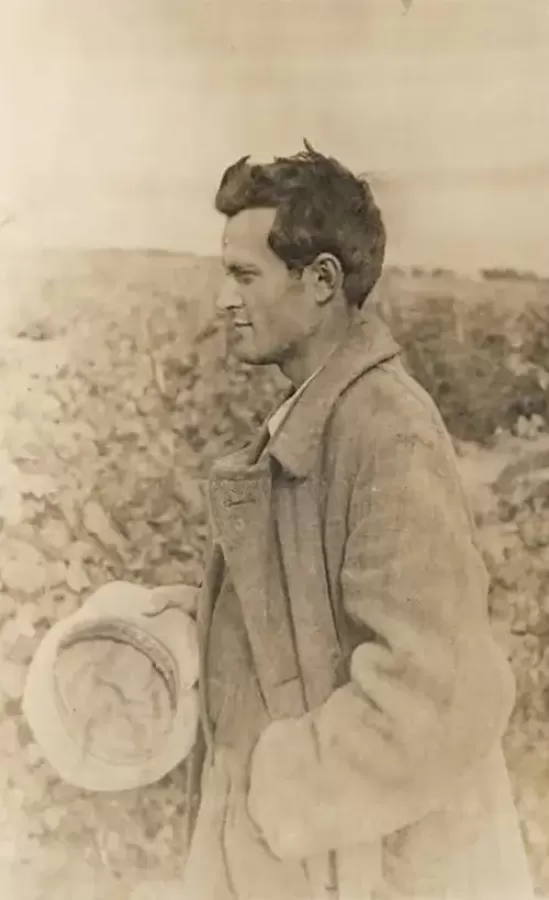

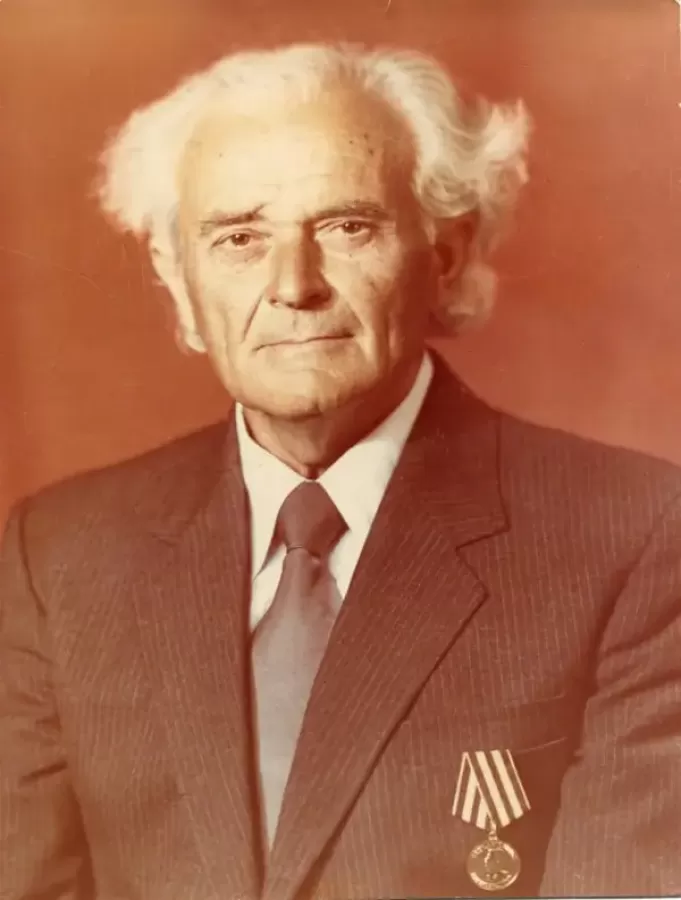
Alexander Ivanovich Potapenko (March 1, 1922 — August 28, 2010) was an outstanding Soviet and Russian biologist, plant breeder, author, and philosopher. He made history as the founder of the concept of uncovered, ecologically sustainable viticulture in Central Russia, dedicating over half a century to the domestication and cultivation of the wild Amur grape (Vitis amurensis).
Early Life and Scientific Background
Alexander Potapenko was born in the village of Petrovskoye (now the town of Svetlograd), Stavropol Krai. Viticulture was a family tradition: in 1934, his father, a renowned specialist in the field, was personally invited to work in Michurinsk by Ivan Vladimirovich Michurin. Alexander graduated from the Persianov Agricultural Institute and began his career at a viticultural experimental production farm.
During the Great Patriotic War, Alexander Ivanovich served as a military combat engineer (sapper). Daily risking his life in minefield laying and clearance operations, he never made a single mistake. Even while serving at the front, his dedication to science remained absolute; he frequently wrote to his brother, Yakov Ivanovich Potapenko (after whom the All-Russian Research Institute of Viticulture and Winemaking in Novocherkassk is named today), sharing ideas on selective breeding methodologies.
Following the war, Potapenko distinguished himself as an insightful plant physiologist. He established the physiological nature of photoperiodic responses in plants and demonstrated that light and temperature reactions interact according to the principle of compensation. These fundamental findings formed the basis of his monograph "Bioregulation of Plant Development" (1971). From 1977 onward, he conducted research as a senior scientist in the Breeding Department of the All-Russian Research Institute of Viticulture and Winemaking (VNIIViV).
Breeding Program and the Domestication of the Amur Grape
In pursuit of optimal environmental conditions for breeding exceptionally winter-hardy vines, Alexander Ivanovich relocated to the Southern Urals in 1982, and subsequently settled in the village of Olenye, Volgograd Oblast, where he continued his scientific work for the remainder of his life.
The primary achievement of his life was the introduction of the wild Amur grape—the most frost-resistant representative of the genus Vitis—into direct cultivation. Due to the rigid, conservative heredity of this wild liana, conventional breeding methods progressed slowly. Potapenko successfully developed proprietary methods for accelerating mutagenesis, which allowed him to stabilize cultivated traits within wild lineages across several generations. The culmination of this fifty-year research initiative led to a groundbreaking conclusion: thanks to the attributes of the Amur grape, growing grapevines without winter burial or intensive chemical protection became entirely viable throughout the Central Zone of Russia.
The outcomes of these extensive trials and breeding breakthroughs were synthesized in his seminal publication "Russian Winter-Hardy Grapes" (1999). Over the course of his career, the biologist was granted 24 author's certificates for his inventions. In 2002, in recognition of his invaluable contributions to environmental conservation, he was elected an honorary member of the Volgograd Branch of the Russian Ecological Academy.
Signposts of Amur Grape Selections and Cultivars
Within his program dedicated to the domestication of the Amur grape, Alexander Ivanovich isolated several key breeding selections that became the foundational cornerstone for open-ground viticulture in northern latitudes:
- Amursky Proryv (Potapenko-7, also known as Odin): The world's first domesticated cultivar derived from pure Vitis amurensis genetics. It withstands extreme temperatures down to -40°C, possesses complete immunity to major fungal diseases, and exhibits exceptionally high antioxidant content in its berries.
- Amursky Triumph (Potapenko-8): A vigorous, highly winter-hardy hybrid selection from later generations of selection. It is characterized by enhanced productivity, larger cluster sizes, and consistent sugar accumulation.
- Novy Russky: An early-ripening hybrid selection derived from crossing the "Russky Ranny" variety with Potapenko's domesticated Amur line, combining notable frost tolerance (down to -33°C without winter cover) with high-quality dessert fruit characteristics.
Historical Research and Multidisciplinary Talents
Alexander Potapenko possessed a rare, encyclopedic mind. Through his extensive research into the history of domestic viticulture, he demonstrated that Russian Cossack winemaking originated a millennium ago, tracing its lineage back to the Khazar Khaganate, rather than a mere three centuries ago as previously assumed. His historical hypothesis received enthusiastic support from the prominent historian Lev Nikolaevich Gumilyov. With Gumilyov's direct editorial support, Potapenko published "The Old-Timer of the Russian Land" (1976) and "Grapes on the Volga and the Don" (1989).
Beyond his scientific endeavors, Alexander Ivanovich was a professional painter whose works were featured in official Soviet art exhibitions. He possessed absolute pitch, easily performing classical compositions on the mouth harmonica, held distinct literary talents, authored philosophical works on the essence of life ("Body and Spirit: A Mysterious Tandem of Matter", 1998), and was famously regarded as a good luck charm by the archaeological expeditions in which he participated.
The scientist passed away at the age of 88 in the village of Olenye, leaving behind a unique genetic pool and establishing an entirely new paradigm for northern viticulture in Russia.